




Why Kiln-Baked Bread Gets More Aromatic: The Temperature Magic Behind Bread Kilns
In today’s heated baking industry, more and more businesses are realizing that traditional ovens can no longer fulfill the pursuit of the four essentials of bread—aroma, chewiness, crispness, and fluffiness. Whether bread smells irresistible is not only about ingredients or craftsmanship—more often, the decisive factor comes from a quiet yet soulful presence: the bread kiln.
Many bakery owners face the same problem: with the same flour ratios and the same skilled bakers, the finished loaves still lack that “aroma that lingers through the air.” Weak fragrance, sagging crusts, and damp interiors leave the bread just short of perfection, which naturally reduces customer return rates. In search of that nostalgic “old-time flavor” rich with smoky notes and wheat sweetness, many have begun to re-examine the “heat” and “atmosphere” of bread baking.
Kiln-baked bread may appear to be an old-fashioned technique, but it is rooted in the science of fire. Unlike conventional convection ovens, bread kilns use a surrounding heat field as their core, storing heat in high-temperature-resistant materials and releasing it evenly around the loaf for seamless, all-around heating. This gradual, natural heat transition not only ensures more even baking but also awakens the deepest fermentation aromas locked within the wheat.
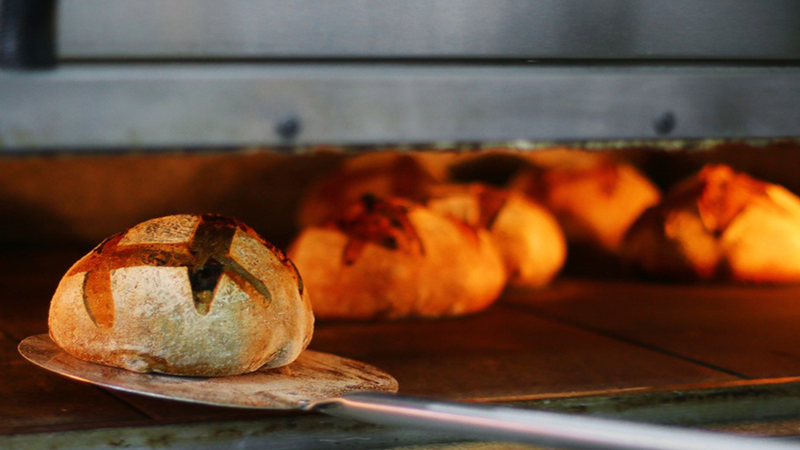
The source of aroma lies in the Maillard reaction between enzymes and sugars at high temperatures. Its magic depends on gentle, sustained heat. Ordinary ovens concentrate heat at the top or bottom, often causing burnt crusts or underbaked centers. In contrast, the thermal energy inside a kiln is like a glowing sunset—soft yet full-bodied—able to steadily control internal expansion while allowing the crust to slowly take on a golden hue with hand-crafted crack patterns.
Another secret lies in the kiln’s micro-humid environment. As dough enters the oven, it releases steam; conventional ovens often vent this moisture too quickly, causing cracked crusts. A kiln’s structure retains the right amount of moisture, producing a crust that is crisp without being hard—yielding a satisfying “crunch” when bitten, while the inside stays soft and stretchy. This distinct textural contrast is exactly what keeps customers coming back for more.
For medium- to large-scale bakeries seeking a differentiated experience, kiln-baked bread is not just a product strategy—it’s a brand statement. Customers are drawn by the aroma, word of mouth grows naturally, and the store’s atmosphere gains a unique “warmth.” In an era where everyone is chasing “personalized taste memories,” a loaf with a story often speaks louder than a thousand advertisements.
Choosing a high-quality bread kiln is the first step in building brand strength. Leyao Energy Storage specializes in bread oven technology R&D, deeply understanding every baker’s ultimate desire for aroma, temperature, and efficiency. If you’re searching for a bread kiln that can truly elevate both flavor and craftsmanship, we are ready to ignite the fire for you—baking every loaf into a memory worth savoring.