




Why More Bakeries Choose Kiln Baking: The Irresistible Appeal of Kiln-Baked Bread
More and more bakeries are encountering a common challenge in their operations: even with carefully selected ingredients and constantly refined recipes, the bread still lacks that memorable “one bite and you’re hooked” experience. The aroma doesn’t linger, the crust isn’t crisp enough, and the interior isn’t moist enough. After each batch comes out of the oven, customer feedback always seems to suggest it’s “just a little bit off.” And that “little bit” often determines whether a customer will come back for more.
Through repeated trial and exploration, some bakers have turned their attention to “kiln baking”—a method that may sound somewhat nostalgic. In addition to traditional convection ovens, they have adopted bread kilns with heat-retention capabilities and surrounding heat structures, gradually reclaiming the kind of bread experience that makes people stop at the first whiff and crave more after the first bite. From old wood-fired kilns to modern electric kilns, the resurgence of kiln baking reflects both a return to the essence of flavor and the adoption of technological innovation.
From a texture perspective, the unique appeal of kiln-baked bread lies in the “contrast” between its crust and interior. Inside a chamber built with high heat-retention materials, thermal energy slowly and evenly surrounds the dough, allowing the exterior to quickly form a crisp crust while locking in internal moisture—ultimately achieving a multi-layered “crispy outside, soft inside” mouthfeel. This structure not only enhances the chewing experience but also significantly extends the bread’s freshness, allowing it to maintain good flavor for hours after baking.
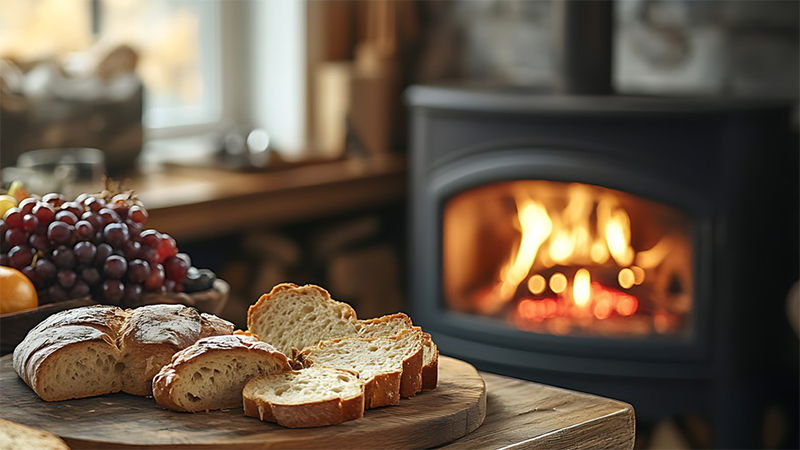
More importantly, the aromatic complexity developed during kiln baking far surpasses that of traditional ovens. The delicate balance between heat and humidity enables the sugars and proteins in the dough to fully undergo the Maillard reaction, releasing a richer, more penetrating bread aroma. This is a fragrance that no artificial flavoring can replicate—it is the natural reward born from the raw ingredients themselves. For consumers who value natural taste and a memorable eating experience, this is exactly what makes a loaf truly irresistible.
In addition, modern bread kilns incorporate intelligent control systems that allow precise replication of baking time, temperature, and humidity for every batch. Unlike traditional kiln baking that relied heavily on the baker’s skill and experience, today’s kilns are suitable for standardized production. They are no longer an artisanal-only indulgence but efficient tools that can be seamlessly integrated into workshops, central kitchens, and chain store operations. With this technology-backed consistency, the “kiln-baked flavor” is no longer an occasional surprise but a reliably repeatable brand signature.
Beyond flavor enhancement and consistent output, kiln baking also offers strong visual appeal. Kiln-baked bread often features naturally cracked crust patterns, gradient-browned surfaces, and slightly puffed shapes—making them stand out in display cases and naturally triggering customer appetite. This “visible deliciousness” perfectly matches modern consumers’ dual desire for visual and sensory satisfaction when selecting food.
In today’s increasingly competitive baking market, creating products with a lasting impression requires the perfect combination of taste, aroma, and presentation. Kiln baking is not just an equipment choice—it is a commitment to and expression of quality. If you are seeking a solution that can truly elevate your product experience and customer satisfaction, we invite you to learn more about Leyao Energy Storage’s kiln-baking technology system. With expertise as our furnace and temperature as our craft, we aim to ensure that every loaf you bake leaves a lingering aroma in your customers’ hearts.